When you visit a national park can shape your entire experience, from the weather you’ll encounter to how many other people you’ll be sharing the trail with. Here’s how to time your trip right.
Spring: Waterfalls and Wildflowers
Spring is peak season for waterfalls, especially in parks like Yosemite, where snowmelt feeds dramatic flows through April and May. Wildflower blooms also peak in many desert parks during this window, though some high-elevation trails may still be snow-covered.
Summer: Full Access, Full Crowds
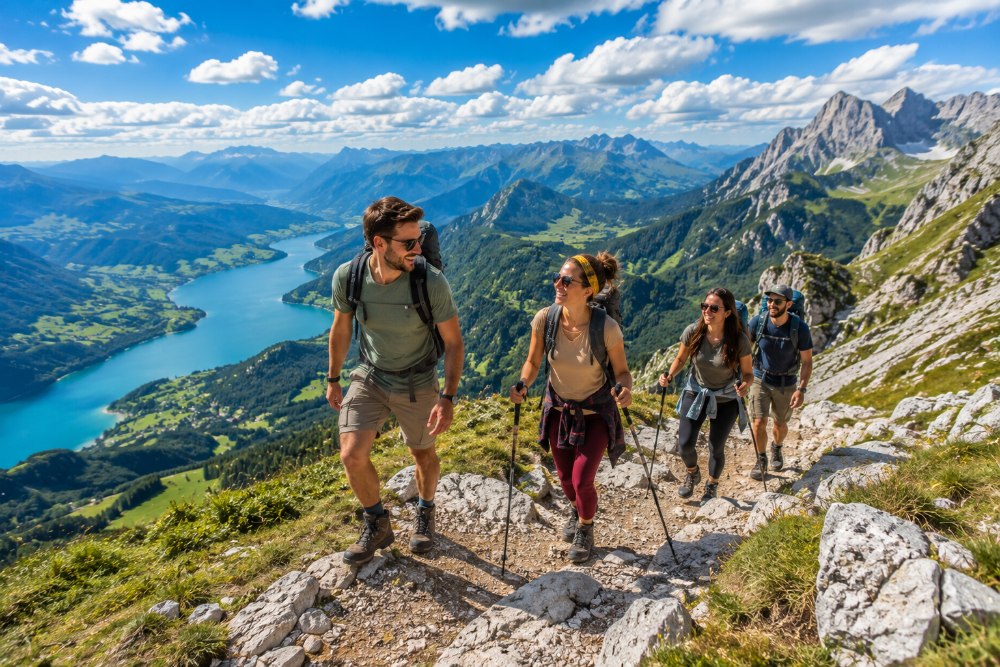
Nearly every park facility, trail, and road is open in summer, making it the most convenient — and most crowded — time to visit. If you’re set on a summer trip, aim for early morning starts and consider less-visited parks or lesser-known trails within popular ones.
Fall: The Sweet Spot
Many experienced park visitors consider fall the ideal season. Crowds thin out after Labor Day, temperatures cool, and parks with deciduous forests put on a striking display of color.
Winter: Quiet and Dramatic
Winter transforms parks like Yellowstone and Zion into strikingly different landscapes, with steam rising off geothermal features against snow-covered ground. Some roads and facilities close seasonally, so research access carefully before planning a winter trip.
Matching the Season to the Park
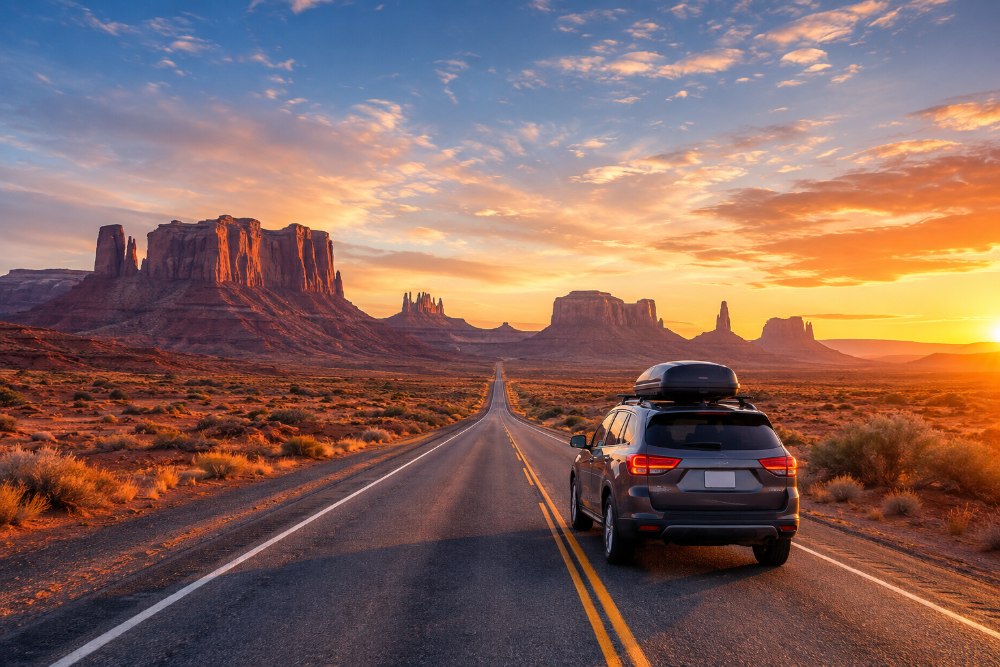
- Desert parks (Death Valley, Joshua Tree): visit in fall, winter, or early spring to avoid extreme heat
- High-elevation parks (Rocky Mountain, Glacier): summer offers the best trail access
- Coastal parks (Acadia, Olympic): spring and fall offer mild weather with fewer crowds
There’s no single “best” time that applies to every park — it depends on what you want to see and how much company you’re willing to share the trail with. A quick check of a park’s seasonal weather and road closures before booking will save you from surprises once you arrive.